Conviction (A Reflection)
Owning Your Life Starts With Conviction
This moment in The Avengers has stayed with me ever since I first watched it. Loki confidently lists all the reasons he believes he cannot lose — power, strategy, advantage. Yet when he asks where his weakness lies, Colson’s answer is simple: “You lack conviction.”
There is truth in this line for almost all of us. As human beings, we are capable of accomplishing far more than we often realize — not simply because of talent or opportunity, but because of what we are willing to fully commit to.
I’ve had to confront this personally. A lack of conviction has been one of my greatest internal blocks. It took me more than a year to write this reflection — not because I lacked ideas or capacity, but because I was wrestling with competing desires and directions. Knowing what matters most, and having the discipline to consistently move in that direction, even when it’s uncomfortable or inconvenient, has been one of my greatest challenges.
What’s striking about Loki isn’t that he lacks intelligence or drive. He is focused. Persistent. Ambitious. But his conviction is rooted in self-admiration rather than responsibility. In that moment, Colson seems to recognize this vulnerability and speaks directly to it, exposing the place where Loki is most susceptible.
This becomes clearest in Thor: Ragnarok, when Loki secretly exiles King Odin and impersonates him on the throne, choosing spectacle over stewardship and comfort over responsibility. That misalignment slowly weakens the realm from within, leaving it vulnerable to the events that ultimately lead to Asgard’s destruction.
What’s revealed here isn’t weakness of ability, but weakness of foundation — a desire to be admired rather than a willingness to steward authority.
And that tension isn’t limited to fictional characters.
Most of us don’t struggle because we lack ability. We struggle because our energy is pulled in too many directions — by ambition, expectation, responsibility, fear, and the desire to be affirmed. Fear, in particular, has played a major role in my own journey. When I focus too much on what I want to avoid rather than what I want to build, I find myself staying in familiar environments simply because they feel safer than risking disappointment. When dissatisfaction is paired with fear, stagnation becomes easy. And when negativity surrounds us, that vulnerability is often reinforced.
To accomplish anything meaningful, we eventually have to confront the fear of further disappointment and choose movement anyway.
Each of us is capable of many things, but our time and attention are limited. Without clarity about what truly matters, even good intentions scatter. We stay busy, but unfocused. Active, but unanchored. Wanting change, but unwilling to move differently.
Over time, I’ve come to understand conviction as the meeting place of self-awareness and discipline. Self-awareness helps us identify what we actually value, not just what sounds good or feels urgent. Discipline is what allows us to organize our lives around those priorities and move forward with consistency rather than hesitation.
The truth is, we all carry competing goals. We want growth and comfort. Impact and stability. Freedom and security. Without an internal order, we end up zigzagging — starting things, pausing, second-guessing, or holding back just enough to avoid real risk. Conviction doesn’t remove complexity, but it does bring coherence. It helps us decide what comes first, so that commitment becomes possible instead of theoretical.
For me, this process didn’t arrive as certainty. It formed slowly — through prayer, tension, disappointment, and reflection. Over time, it kept returning to one central place: God’s commandment to love.
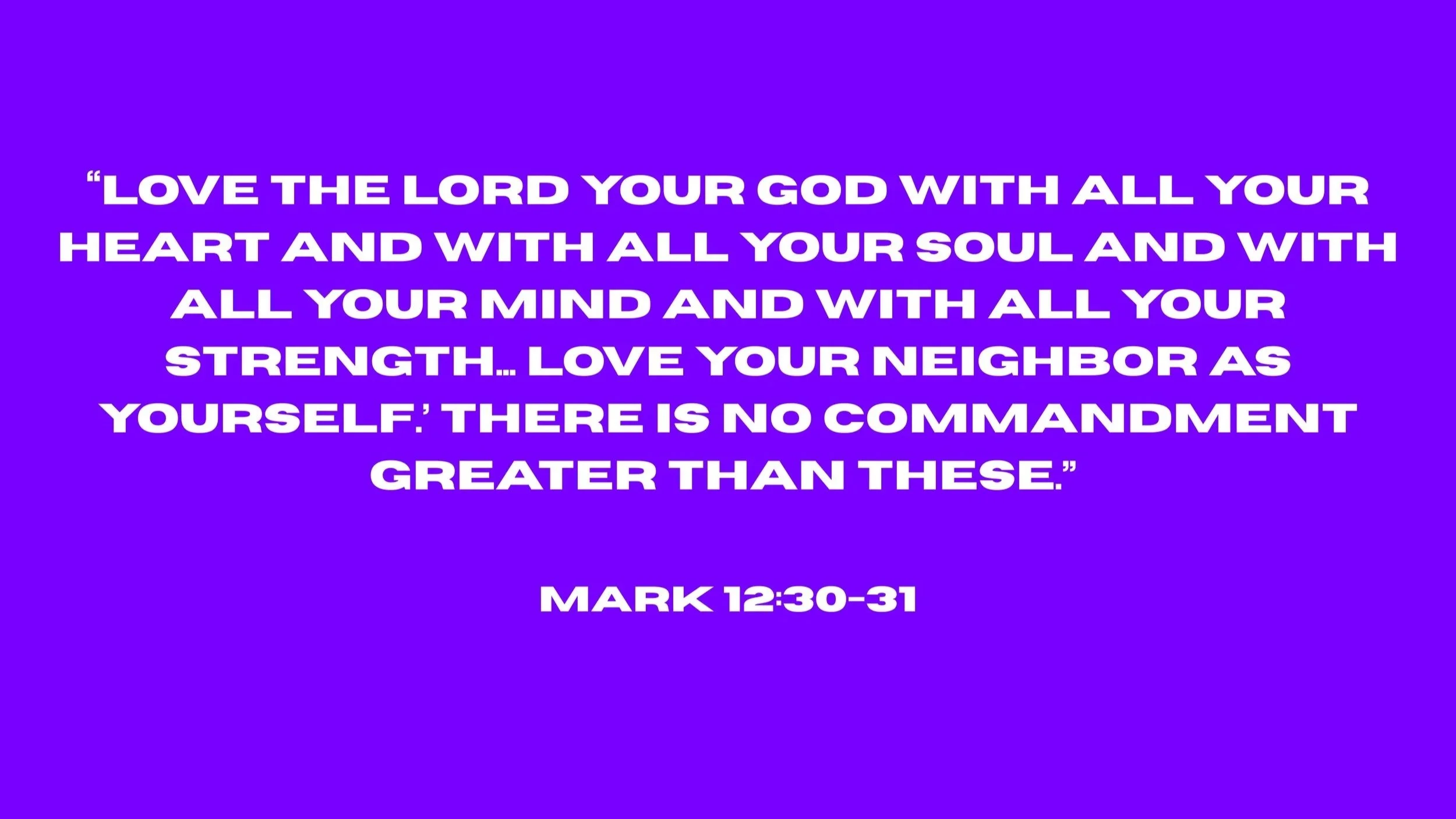
Jesus summarized this clearly:
And later He made the expectation even more personal:
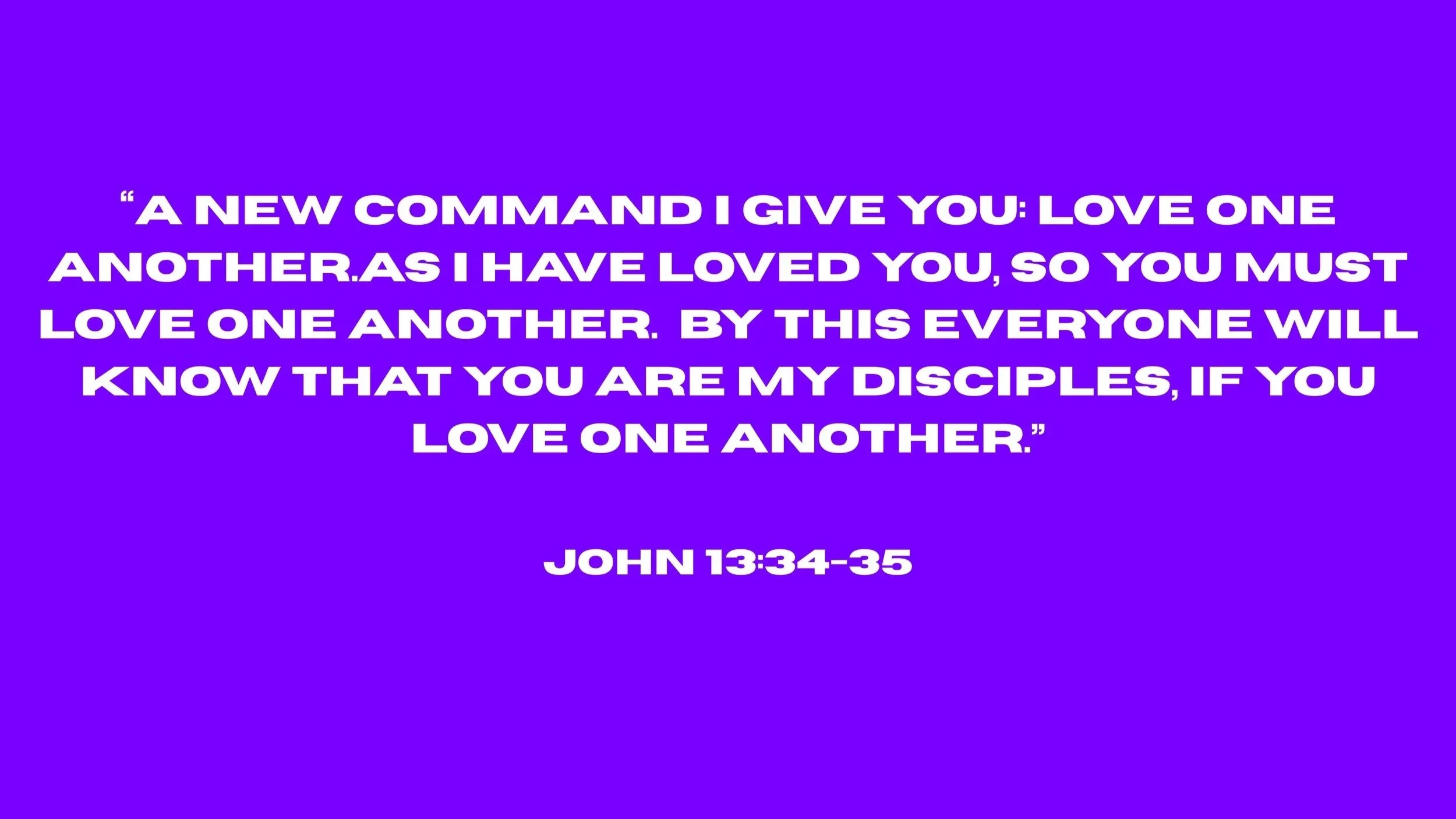
That call feels like preparation for eternity — outweighing anything I could accomplish within a limited human life. And yet love is broad. It can be expressed through raising families, building communities, creating businesses, or serving others with integrity and care. Which raises an important question: how do we strengthen conviction with discipline, not just belief?
This is where my own internal tension became unavoidable. On one side is my calling to live a life of service, purpose, and faithfulness. On the other is a deeply human longing for intimacy, partnership, and belonging.
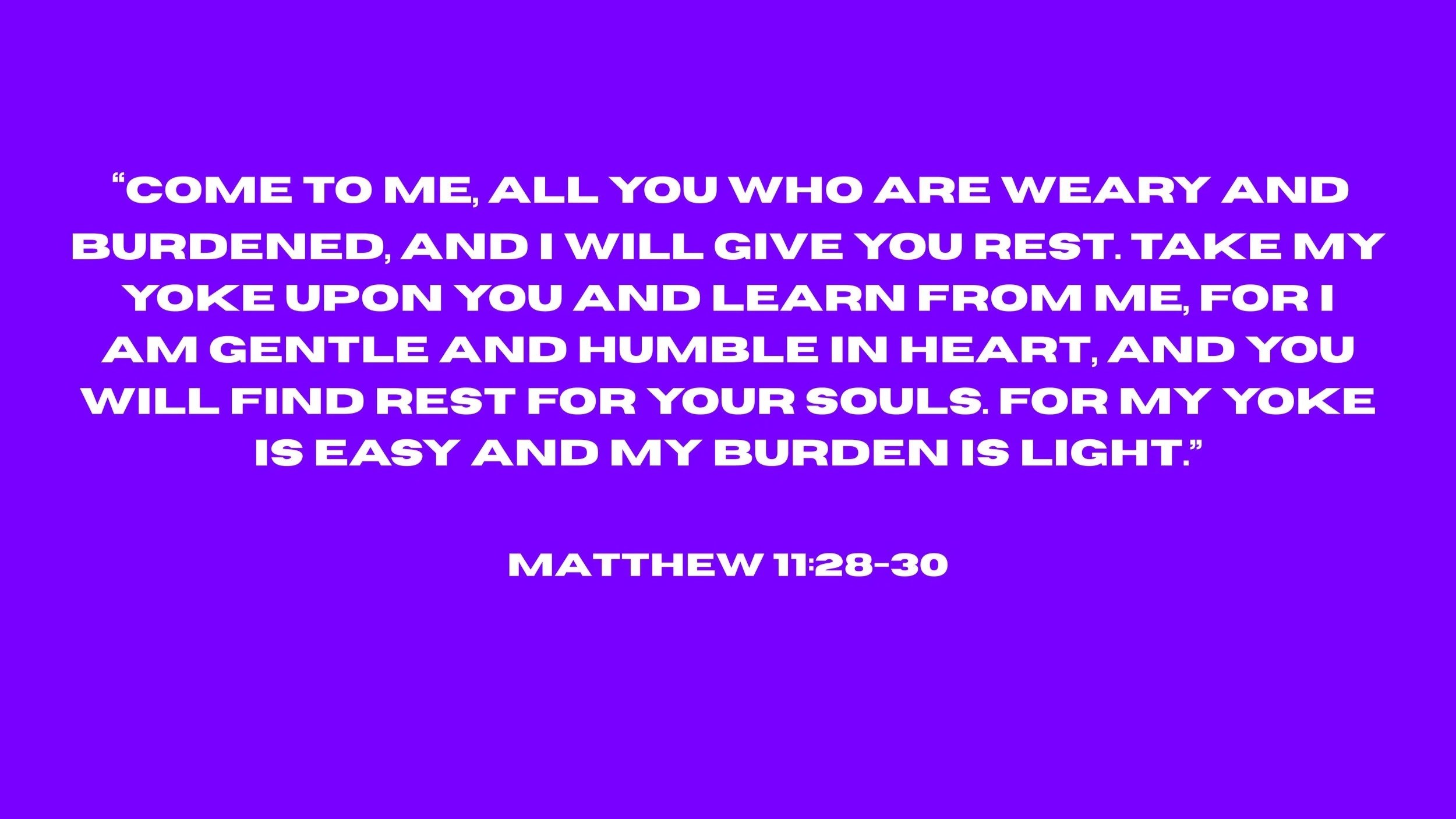
For a season, I genuinely wanted to pursue a quieter, more private life as a barista — not because I lacked ambition, but because I believed my greatest calling was simply to grow in my relationship with God, modeling a spiritual life grounded in connection with Him and the easy yoke of His commandment to love.
Jesus’ words anchored that season:
That season taught me something important. While personal faithfulness matters deeply, witnessing the condition of our nation — the unrest, the pain, and the quiet cries for healing — expanded my sense of responsibility. What began as private conviction gradually grew into something more outward-facing.
When I allow fear to dictate my pace or my decisions, I don’t simply delay growth. I limit what I’m meant to steward.
One of the most personal expressions of this journey has been my decision to adopt Yahweh as my last name in my business work.
This wasn’t symbolic or performative. It came after years of discernment, when I realized that clarity only arrived once I stopped anchoring my work to approval, legacy, or expectation, and instead anchored it to obedience.
For me, taking the name Yahweh in business is both accountability and commitment. It places my work under God’s authority rather than my own ego or anyone else’s applause. It continually asks whether what I’m building reflects faithfulness, integrity, and love — not just capability or success. This choice isn’t a model for others to follow. It’s simply where my own conviction moved from internal clarity into lived practice.
This is also why grounding conviction in something larger than ourselves matters. In Avengers: Infinity War, Thanos believed he was acting in service of a greater purpose — preventing what he saw as an inevitable collapse across the universe. His followers were willing to sacrifice because they believed they were part of something larger than personal gain. This dynamic reveals an important truth: conviction often strengthens as the perceived magnitude of a goal grows.
Seeing how conviction deepens when people believe they are serving something larger than themselves forced me to ask a harder personal question: what purpose am I actually willing to center my life around?
For me, that broader purpose has taken shape in a commitment to Black justice — not for personal advancement, but for the healing of the world around us.
It reflects a desire to address some of America’s deepest wounds, not only for Black communities, but for the moral and spiritual health of a nation that has long benefited from the marginalization of others. The principles of equality and freedom embedded in our Constitution were meant to shape not only our laws, but our collective character.
As a global leader, what America models internally influences how it engages the world. When we recognize the wider impact of what we’re building, conviction deepens. Responsibility expands. Purpose becomes steadier.
Conviction, when rooted in something larger than self, doesn’t inflate ego. It steadies direction. It gathers scattered effort. And it transforms personal ambition into collective responsibility.
And so I’ll leave these as a questions to build your conviction:
What are your life’s true priorities — in order?
What keeps you from obtaining them?
How are you working on overcoming these blocks?
Conviction can’t be handed down — but it can be discovered.
And we don’t have to figure it out alone.